
For indie game developers, building a digital distribution strategy is crucial for reaching players and maximizing sales. Unlike major studios, indie developers often have limited resources, so it’s essential to create an effective plan that leverages available platforms and tools to their full potential. Here’s a step-by-step guide to help you build a strong digital distribution strategy for your indie game.
1. Identify Your Target Audience
Before diving into the technical aspects of distribution, it’s essential to define your target audience. Understanding who your players are will help guide your distribution decisions. Are they hardcore gamers or casual players? What platforms do they use most often—PC, console, or mobile? By understanding your audience, you can choose the right distribution channels to effectively reach them.
At 1on1 Gaming Hub, we help developers identify their target audience and tailor their distribution strategy to maximize reach and engagement.
2. Choose the Right Digital Distribution Platforms
Once you’ve identified your target audience, it’s time to choose the right digital distribution platforms. There are various options, from PC platforms like Steam and Epic Games Store to consoles like PlayStation and Xbox, and even mobile stores like Google Play and the App Store. Each platform offers different benefits, so it’s crucial to choose the ones that best match your game’s genre and audience. Consider the fees, visibility, and audience reach of each platform.
3. Create a Marketing Plan
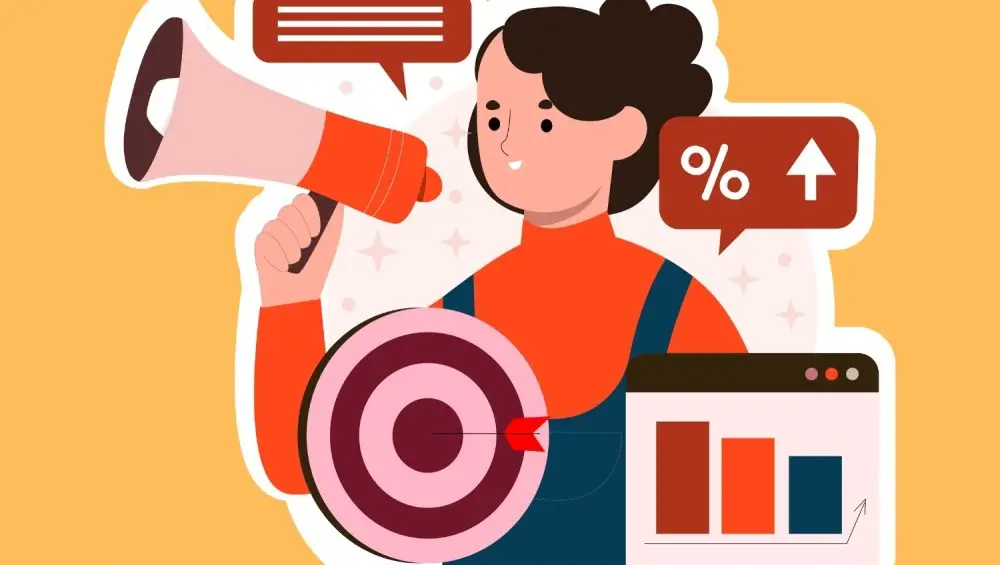
A good digital distribution strategy includes a strong marketing plan. You need to generate interest in your game before it launches. Leverage social media, email newsletters, and community engagement to create excitement and awareness. Building a following early on can help drive sales on launch day and beyond. Content like game trailers, behind-the-scenes videos, and devlogs can help keep players engaged and excited about your game.
At 1on1 Gaming Hub, we support developers in creating tailored marketing strategies that build buzz around their game and keep players invested.
4. Offer Incentives and Discounts
To boost initial sales, consider offering early access or pre-order discounts. These incentives can drive pre-launch sales and build momentum for your game. Additionally, seasonal sales or bundles can keep your game visible and attract new customers.
5. Monitor and Adapt
Once your game is live, it’s important to monitor its performance. Analytics tools can help you track sales, user engagement, and feedback. This data will help you make informed decisions for future updates, promotions, or expansions.
At 1on1 Gaming Hub, we provide developers with the tools they need to continuously improve their digital distribution strategies, ensuring their game reaches as many players as possible.
#IndieGameDevelopment #DigitalDistribution #GameMarketing #1on1GamingHub #GameLaunch #IndieGames #GamingCommunity #GameDevelopment #DigitalStrategy #GamingIndustry